Matt Andersen discusses Intentional Growth strategies for middle-market companies in Central Texas
M&A | Texas | Middle Market | Austin Business Journal | ABJ
Matt Andersen sat down with the Austin Business Journal to discuss intentional growth strategies for middle-market companies in Central Texas.
Q1. What do you think sets Westlake Securities apart, and how has the firm evolved?
We’ve always been a middle-market bank built around relationships, not transactions. Practically, that means we run what we call a QVG (Quality Value Growth) Assessment with every client: a structured look across six areas of the business, branding and marketing, sales, operations and IT, finance, leadership, and strategy. Most firms skip these critical assessment steps and let issues play out in front of lenders, investors, and buyers. We’d rather show up years earlier and help a CEO see where the real value gaps are before a buyer ever does. That approach has shaped how we’ve grown. We’re not trying to be the biggest shop in Texas; we’re trying to be the one that owners trust with the decision that defines the second half of their careers.
Q2. What are the biggest opportunities and challenges you see for CEOs right now around growth, capital, and liquidity?
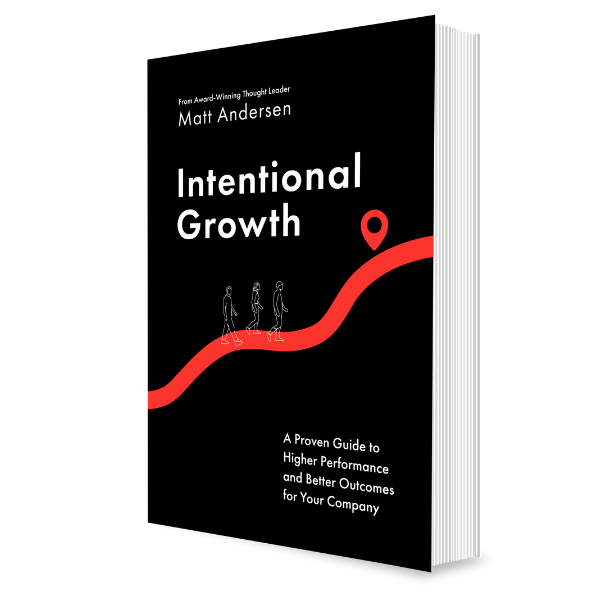
Capital is available for well-run companies, and investors/buyers are being more thoughtful about who they partner with, not just chasing the valuation. That favors owners who’ve done the work to make their business genuinely viewed as a “premium company” by doing “premium activities”. The challenge is that a lot of CEOs are still making the growth-versus-liquidity decision reactively, triggered by a call from a banker or a competitor’s exit, rather than deciding on their own timeline what they want. I wrote about this in Intentional Growth: the CEOs and management teams who end up with real optionality treat growth and liquidity as one strategic question, not two. Do you keep building and bring in growth capital, take a full exit, or do something in between like a recap that lets you take chips off the table while staying in the game? The businesses that grow and find premium liquidity events are those that create a “hero” position for their company. That hero position defines them as a #1 in category, and is helpful in raising capital through a sale.
Q3. Why has intentional growth, CEO education, and pre-transaction preparation become such a core part of your strategy?
Because I kept watching good companies leave money on the table, not for lack of a solid business, but for lack of preparation. Preparation and awareness are big parts of both my books and the public speaking that I do. In my latest book, I pulled together practical and proven strategies and tactics that a CEO can act on to more predictably grow their company and scale in a way that builds shareholder value. There is a growth imperative right now for all businesses to scale, family owned, private equity backed…it’s the same issue of creating opportunity for stakeholders and the bar continues to be raised at increasing levels.
Q4. What initiatives or opportunities are you most excited about right now?
The book launch has been energizing, not just for the book itself but for the conversations it’s opening up. I’ve been able to sit down with CEOs from Texas to Italy to talk through core Intentional Growth, which is a lot more direct than a typical “pitch” meeting. More CEOs are asking us to come in purely for that structured look at their business, to work with them to create better outcomes over a 3 to 7 year timeframe. We are working with more and more companies on designing better outcomes and then working with them to bring those outcomes to life.
Q5. Looking ahead to 2027, what do you expect for the Central Texas middle market and the M&A environment?
Central Texas continues to be one of the most growth oriented regions in the country, and we expect that to remain consistent into 2027 overall (although there may be volatility by industry). We have population growth, corporate relocations, a new stock exchange and a deep bench of founder-led businesses approaching a generational transition all at once. That combination has kept deal flow steady even if national macros or the public markets have noise. On the M&A side, I expect activity to keep building through 2027 as owners who paused over the last 18 months decide they can’t wait forever, and as private equity groups sitting on capital look specifically for Texas based platform companies. The firms that do well in that environment will be the ones that identify transactions readiness gaps like clean financials, having the right team in place, and demonstrating growth, and those that do “less well” will be those that let buyers or investors discover those gaps during a process. There is likely to be a lot of activity, and the prepared will be the beneficiaries of that.
Helpful Resources for CEOs
Your Next Transaction Starts with a Conversation
The best outcomes in middle-market M&A don’t happen by accident. They start with the right advisor, the right process, and the right timing.
If you’re considering a sale, recapitalization, or growth capital raise, whether that’s six months from now or three years out, we’d welcome a confidential conversation about what your options might look like.